Introduction
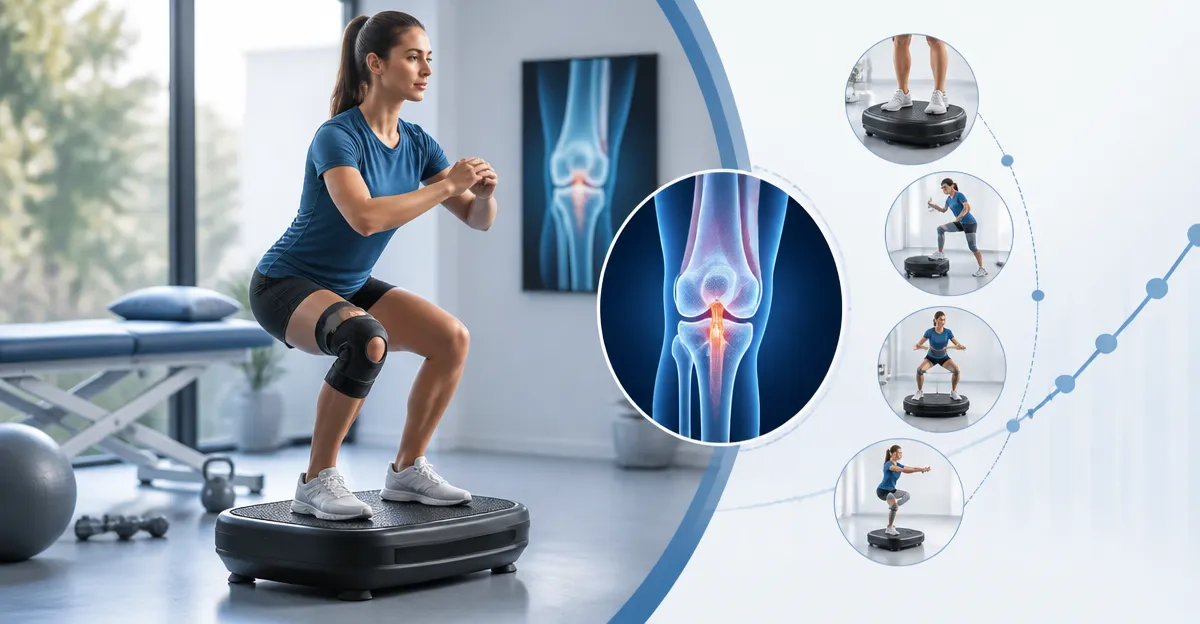
This guide explains how vibration plates can be incorporated into a post‑ACL (anterior cruciate ligament) surgery rehabilitation program. Readers will learn the physiological rationale, evidence supporting vibration therapy, a step‑by‑step protocol, and how to select a plate that matches individual needs. The article also provides practical tips, a comparison of leading market models, and answers to common questions.
Vibration training is increasingly recognized by clinicians for its ability to stimulate muscle activation, improve circulation, and reduce swelling without imposing high joint loads. When used correctly, it can accelerate recovery while protecting the healing graft.
The guide is organized into background information, detailed protocol phases, product recommendations, a selection matrix, best‑practice tips, and a concise FAQ.
Background and Context
ACL reconstruction surgery repairs a torn ligament using a graft, followed by a structured rehabilitation program that progresses from protection to functional strength. Early phases focus on pain control, edema reduction, and gentle range‑of‑motion exercises. Traditional weight‑bearing activities are limited to avoid excessive stress on the graft.
Whole‑body vibration (WBV) delivers mechanical oscillations to the body, causing rapid muscle contractions via the tonic vibration reflex. These contractions enhance blood flow, promote lymphatic drainage, and stimulate proprioceptive pathways. Research indicates that WBV can improve quadriceps activation, increase knee extensor strength, and reduce postoperative swelling when applied in low‑intensity settings.
Key physiological mechanisms include:
- Enhanced neuromuscular recruitment through muscle spindle activation.
- Improved microcirculation that facilitates nutrient delivery and waste removal.
- Accelerated lymphatic drainage, which helps manage postoperative edema.
- Reduced perception of pain via gate‑control mechanisms.
Clinicians typically prescribe WBV for 5–10 minutes per session, three to five times per week, beginning around week two after surgery, provided the incision is healed and weight‑bearing is permitted.
Protocol Overview
The protocol is divided into three progressive phases: Early Recovery (Weeks 2‑4), Intermediate Strengthening (Weeks 5‑8), and Advanced Functional Training (Weeks 9‑12+). Each phase outlines frequency, duration, intensity, and exercise examples.
Phase 1 – Early Recovery (Weeks 2‑4)
Goal: Reduce swelling, maintain joint mobility, and begin low‑level muscle activation without loading the graft.
- Frequency: 3 sessions per week.
- Duration: 5 minutes per session.
- Intensity: Start at the lowest setting (approximately 1–3 on a 130‑level scale) and gradually increase to level 5 as tolerated.
- Position: Sit on a stable chair with feet on the plate; keep knees slightly flexed (≈10°) to avoid excessive strain.
- Exercise example: Passive foot placement while performing ankle pumps; focus on steady breathing.
During this phase, the GLYLF Vibration Plate is suitable because it offers 130 adjustable speed levels, a quiet motor, and a maximum capacity of 450 lb, ensuring stability for seated use. The remote control allows hands‑free adjustments, which is valuable when the patient’s hands are occupied with braces or supports.
Phase 2 – Intermediate Strengthening (Weeks 5‑8)
Goal: Reactivate quadriceps and hamstrings, improve proprioception, and continue edema management.
- Frequency: 4 sessions per week.
- Duration: 8–10 minutes per session.
- Intensity: Progress to moderate settings (levels 6‑15 on a 130‑level scale or 30‑45 % of maximum amplitude).
- Position: Stand with knees slightly bent (≈20°), feet shoulder‑width apart.
- Exercise examples: Semi‑squat holds, single‑leg balance, and gentle heel raises while maintaining a neutral spine.
For this stage, the Lifepro Waver Vibration Plate is advantageous because it provides 99 speed settings, 10 preset programs, and includes resistance bands for added upper‑body activation. Its 330 lb capacity is sufficient for most users, and the oscillation movement promotes joint comfort during weight‑bearing exercises.
Phase 3 – Advanced Functional Training (Weeks 9‑12+)
Goal: Restore full strength, power, and dynamic stability required for sport‑specific movements.
- Frequency: 5 sessions per week.
- Duration: 12–15 minutes per session.
- Intensity: High‑intensity settings (levels 20‑40 on a 130‑level scale or 60‑80 % amplitude).
- Position: Dynamic standing positions, including single‑leg stance, lateral hops, and squat jumps with the plate providing added vibration.
- Exercise examples: Plyometric squat jumps, lateral lunges, and sport‑specific agility drills performed on the plate.
At this stage, the EvoSpark Dual Motor Vibration Plate (friendly name: EvoSpark Dual Motor Vibration Plate) excels due to its 150 W dual‑motor system, 120 speed levels, and built‑in magnetic foot massage that continues to support lymphatic drainage while delivering high‑intensity vibration. The robust 450 lb capacity and anti‑slip suction cups ensure stability during explosive movements.
Comparison and Selection Guide
Choosing the right vibration plate depends on three primary criteria: intensity range, additional accessories, and build quality. The table below summarizes key specifications of the five models discussed.
| Product | Speed Levels | Max Capacity | Special Features | Price (USD) | Rating |
|---|---|---|---|---|---|
| GLYLF Vibration Plate | 130 | 450 lb | Bluetooth music, magnetic stone footpad, remote control | 69.98 | 4.6/5 (2,324 reviews) |
| Lifepro Waver Vibration Plate | 99 | 330 lb | 10 presets, 2 loop bands + 4 resistance bands, oscillation movement | 199.99 | 4.6/5 (30,587 reviews) |
| HTM Vibration Plate | 120 | 300 lb | Side band storage, touch panel, 15‑min timer | 41.99 | 4.5/5 (671 reviews) |
| SoftGym Vibration Plate | 120 | 450 lb | 22 magnetic massage stones, quiet motor, remote | 59.99 | 4.5/5 (5,048 reviews) |
| EvoSpark Dual Motor Vibration Plate | 120 | 450 lb | Dual‑motor 150 W, 12 foot magnets, 4 suction cups | 49.98 | 4.5/5 (1,127 reviews) |
When selecting a plate for post‑ACL rehab, consider the following decision tree:
- If the primary need is low‑intensity, quiet operation for early recovery, choose a model with a broad low‑range (e.g., GLYLF or HTM).
- If the user desires built‑in resistance bands and preset programs for intermediate strength, Lifepro Waver offers the most comprehensive accessory set.
- If high‑intensity power and advanced vibration patterns are required for sport‑specific training, the EvoSpark Dual Motor provides the strongest output.
- If magnetic foot massage is a priority for lymphatic drainage, SoftGym and GLYLF both incorporate magnetic stones, with SoftGym offering 22 stones for a more pronounced effect.
Best Practices & Tips for Safe Use
- Medical Clearance: Obtain approval from the orthopedic surgeon or physical therapist before initiating vibration therapy.
- Start Low, Progress Gradually: Begin with the lowest intensity and increase only when pain‑free range of motion is maintained.
- Maintain Proper Alignment: Keep the knee slightly flexed, spine neutral, and avoid excessive arching to protect the graft.
- Monitor Swelling: Use a tape measure or circumference assessment before and after each session to ensure edema is decreasing.
- Combine with Traditional Rehab: Vibration should complement, not replace, prescribed strengthening, gait, and proprioceptive exercises.
- Hydration and Nutrition: Adequate fluid intake supports lymphatic flow, while protein intake assists tissue repair.
- Device Maintenance: Keep the plate surface clean, check suction cups for wear, and replace batteries in remote controls as needed.
Frequently Asked Questions
- Can I use a vibration plate immediately after ACL surgery?
- Generally, vibration therapy is introduced after the first postoperative week, once the incision is closed and the surgeon permits weight‑bearing. Early use should be limited to seated positions with minimal intensity.
- How long should each session last?
- Sessions typically range from 5 minutes in the early phase to 12–15 minutes in the advanced phase. Longer durations do not necessarily produce better outcomes and may increase fatigue.
- Is it safe to combine vibration with resistance bands?
- Yes, provided the bands are low‑resistance and the user maintains proper form. Resistance bands add upper‑body stimulus without overloading the knee joint.
- Do I need a plate with Bluetooth or music capability?
- Music can improve adherence by providing a rhythmic cue, but it is not essential for therapeutic effect. Choose a model with Bluetooth if you prefer this feature.
- What if I feel pain during a session?
- Immediately stop, reduce intensity, and reassess alignment. Persistent pain warrants consultation with a healthcare professional.
- Can vibration therapy improve lymphatic drainage?
- Research suggests that low‑frequency vibration enhances lymph flow, especially when combined with magnetic foot massage features found in models such as the SoftGym Vibration Plate.
- Is a higher price indicative of better outcomes?
- Price reflects build quality, motor power, and accessories. Clinical efficacy depends on appropriate use rather than cost alone.
Conclusion
Integrating vibration plates into post‑ACL surgery rehabilitation offers a scientifically supported method to accelerate muscle activation, reduce swelling, and improve proprioception while minimizing joint stress. By following the phased protocol, selecting a plate that aligns with individual goals, and adhering to best‑practice safety guidelines, patients can enhance recovery timelines and return to functional activities with confidence.
The evidence underscores that vibration therapy is most effective when used as an adjunct to conventional physiotherapy, not as a standalone treatment. Ongoing monitoring, patient education, and gradual progression remain essential components of a successful outcome.
Products Featured in This Guide
GLYLF Vibration Plate
Price: $69.98 | Rating: 4.6/5 (2,324 reviews)
Featured for its 130 speed levels, Bluetooth music integration, magnetic stone footpad, and high 450 lb capacity, making it ideal for early‑stage, low‑intensity rehab.
Lifepro Waver Vibration Plate
Price: $199.99 | Rating: 4.6/5 (30,587 reviews)
Featured for its 99 speed settings, 10 preset programs, and extensive band accessories, supporting intermediate strengthening and proprioceptive training.
HTM Vibration Plate
Price: $41.99 | Rating: 4.5/5 (671 reviews)
Featured for its budget‑friendly price, 120 speed levels, side storage for resistance bands, and quiet operation suitable for early to intermediate phases.
SoftGym Vibration Plate
Price: $59.99 | Rating: 4.5/5 (5,048 reviews)
Featured for its 22 magnetic massage stones, 120 speed levels, and ultra‑quiet motor, offering enhanced lymphatic drainage during all rehab phases.
EvoSpark Dual Motor Vibration Plate
Price: $49.98 | Rating: 4.5/5 (1,127 reviews)
Featured for its powerful dual‑motor system, 120 speed levels, magnetic foot massage, and robust construction, making it optimal for advanced, high‑intensity functional training.