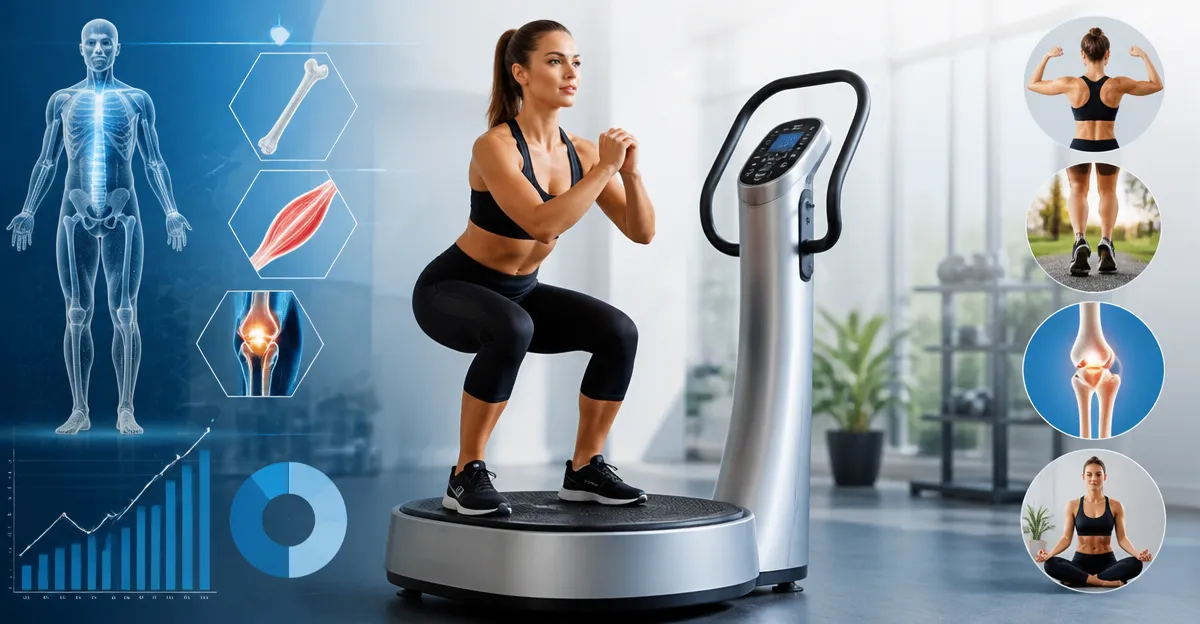
Are Whole Body Vibration Workouts Effective? The Ultimate Guide to Evidence, Benefits & Results
Introduction
This guide examines the effectiveness of whole body vibration (WBV) workouts, presents the scientific evidence that supports them, and explains how they can be integrated into a balanced fitness routine. Readers will learn the physiological mechanisms behind vibration training, the health outcomes that have been documented, and how to select a vibration plate that matches personal goals. The article also provides actionable best‑practice tips, a detailed comparison of leading products, and answers to common questions.
Background and Context
Whole body vibration originated as a therapeutic modality in the 1960s, when researchers discovered that mechanical oscillations could stimulate muscle spindles and improve circulation. Modern WBV devices generate vertical or oscillating movements at frequencies between 5 and 30 hertz, producing rapid muscle contractions known as the tonic‑vibratory reflex. When a user stands, sits, or performs exercises on a vibrating platform, the body experiences involuntary muscle activation that can augment traditional training.
Key variables that influence the training stimulus include frequency, amplitude, acceleration (measured in g‑force), and session duration. Higher frequencies and amplitudes generate greater muscle activation but may also increase perceived discomfort. Consequently, most commercial plates offer a range of speed levels and preset programs to accommodate beginners and advanced athletes alike.
Scientific literature has investigated WBV for strength development, bone density preservation, balance improvement, and metabolic effects such as lymphatic drainage and fat oxidation. While results vary across studies, a consensus is emerging that WBV can serve as a low‑impact complement to conventional exercise, particularly for individuals with limited mobility or time constraints.
How Whole Body Vibration Works
The primary mechanism of WBV is the activation of muscle spindles, which are sensory receptors embedded within skeletal muscle. When the platform vibrates, the spindles send rapid signals to the spinal cord, triggering reflexive muscle contractions without conscious effort. This phenomenon, called the tonic‑vibratory reflex, can increase muscle recruitment by up to 30 % compared with voluntary contraction alone.
In addition to neuromuscular activation, vibration promotes circulation by creating a rhythmic pumping action that assists venous return and stimulates the lymphatic system. Enhanced blood flow delivers oxygen and nutrients to working tissues while facilitating the removal of metabolic waste products. Over repeated sessions, these effects can translate into improved endurance, reduced muscle soreness, and accelerated recovery.
For individuals seeking weight‑management benefits, vibration can raise energy expenditure modestly. Studies report a 5‑10 % increase in caloric burn during a 10‑minute WBV session, primarily due to the sustained muscle activity required to maintain balance on the platform.
Health Benefits Supported by Research
Researchers have identified several health outcomes that respond positively to regular WBV training:
- Strength and Power: Meta‑analyses indicate that WBV combined with resistance training yields greater gains in lower‑body strength than resistance training alone.
- Bone Mineral Density: Post‑menopausal women who performed WBV three times per week for six months showed a measurable increase in lumbar spine bone density.
- Balance and Fall Prevention: Older adults experienced improved static and dynamic balance, reducing the risk of falls.
- Lymphatic Drainage: Vibration accelerates lymph flow, which can decrease peripheral edema and support immune function.
- Recovery and Muscle Soreness: Athletes report reduced delayed‑onset muscle soreness (DOMS) after high‑intensity workouts when WBV is incorporated into cool‑down routines.
While WBV is not a substitute for high‑intensity cardiovascular or strength training, it offers a time‑efficient method to enhance neuromuscular activation, especially for individuals who cannot engage in high‑impact activities.
Product Recommendations Integrated with Evidence
Choosing a vibration plate that aligns with scientific principles is essential for achieving the desired outcomes. The following products have been selected based on their ability to deliver adjustable frequency ranges, sufficient load capacity, and user‑friendly controls.
1. GLYLF Vibration Plate
The GLYLF Vibration Plate offers 130 speed levels, five automatic modes, and a maximum capacity of 450 lb. Its Bluetooth connectivity allows users to synchronize music, which can help maintain a consistent rhythm during workouts. The inclusion of two pull ropes and five resistance bands expands the platform’s utility beyond passive vibration, enabling full‑body strength circuits. With a 4.6‑star rating from 2,307 reviews and a price of $69.98, it provides a cost‑effective solution for beginners and intermediate users seeking both lymphatic drainage and muscle activation.
2. LifePro Waver Vibration Plate
LifePro Waver delivers 99 speed settings and ten preset programs, catering to users who prefer guided workouts. The platform supports up to 330 lb and includes multiple resistance bands, a remote control, and an anti‑slip rubber base. Its whisper‑quiet motor and oscillation movement are designed for joint comfort and daily recovery. At $199.99 with a 4.6‑star rating from 30,578 reviews, it is positioned as a premium option for individuals who value extensive programmability and robust build quality.
3. AXV Vibration Plate
The AXV model provides 120 adjustable speed levels, Bluetooth music playback, and a magnetic stone footpad that delivers a soothing massage during sessions. It includes two resistance bands and a remote control for hands‑free adjustments. With a 4.5‑star rating from 4,241 reviews and a price of $89.99, it balances affordability with advanced features such as an LED display that tracks time, speed, and estimated calories burned.
4. SoftGym Vibration Plate
SoftGym emphasizes lymphatic drainage through 22 magnetic massage stones embedded in the footpad. The plate offers 120 vibration levels, a clear LED display, and a quiet motor suitable for apartment living. Its anti‑slip surface and suction cups ensure stability for users up to 327 lb. Priced at $59.99 with a 4.5‑star rating from 5,093 reviews, it is an attractive entry‑level choice for those focused on recovery and joint health.
5. MERACH Curved Vibration Plate
MERACH offers a curved design that promotes a more natural range of motion. The CV30 Pro features a 150 W motor, 11 mm amplitude, and dual manual/auto modes. Bluetooth speakers enable music streaming, while a remote control simplifies adjustments. With a 4.2‑star rating from 4,556 reviews and a price of $99.99, it targets users who desire a compact yet powerful platform for both fitness and therapeutic applications.
Comparison and Selection Guide
| Feature | GLYLF | LifePro Waver | AXV | SoftGym | MERACH CV30 |
|---|---|---|---|---|---|
| Speed Levels | 130 | 99 | 120 | 120 | 10 (manual) + auto |
| Maximum Load | 450 lb | 330 lb | Not specified (assumed 250 lb) | 327 lb | 400 lb |
| Bluetooth | Yes (music) | No | Yes (music & control) | No | Yes (speakers) |
| Included Accessories | 2 pull ropes, 5 resistance bands, remote | 2 loop bands, 4 resistance bands, remote | 2 resistance bands, remote | 2 exercise bands, remote | Resistance band, remote |
| Price (USD) | 69.98 | 199.99 | 89.99 | 59.99 | 99.99 |
| Average Rating | 4.6/5 (2,307 reviews) | 4.6/5 (30,578 reviews) | 4.5/5 (4,241 reviews) | 4.5/5 (5,093 reviews) | 4.2/5 (4,556 reviews) |
When selecting a vibration plate, consider the following criteria:
- Training Goal: For strength and muscle activation, prioritize higher speed ranges and sturdy load capacity. For lymphatic drainage and gentle recovery, a plate with magnetic footpads or lower frequencies may be preferable.
- Space Constraints: Curved or compact designs such as MERACH fit well in small apartments, while larger platforms like GLYLF require more floor area.
- Budget: SoftGym provides essential functionality at the lowest price point, whereas LifePro Waver commands a premium for extensive presets and higher build quality.
- Connectivity: If music integration enhances motivation, choose a model with Bluetooth capability (GLYLF, AXV, MERACH).
- Accessory Needs: Users who wish to perform resistance‑band circuits should favor models that include multiple bands and pull ropes.
Best Practices & Tips for Effective WBV Training
- Begin with low frequencies (5‑10 Hz) and short durations (5‑10 minutes) to allow the neuromuscular system to adapt.
- Maintain a slight bend in the knees throughout the session to reduce joint stress and improve muscle activation.
- Combine vibration with functional movements such as squats, lunges, or plank holds to maximize metabolic demand.
- Stay hydrated before and after sessions, as increased circulation can promote fluid shifts.
- Schedule WBV sessions on non‑consecutive days when focusing on recovery, or integrate them into warm‑up routines for strength training.
- Use the remote or smartphone app to adjust intensity without breaking posture, thereby preserving the tonic‑vibratory reflex.
- Monitor perceived exertion; a rating of 13‑15 on the Borg Scale indicates moderate intensity suitable for most adults.
Frequently Asked Questions
1. How often should I use a vibration plate?
For general health benefits, three sessions per week of 10‑15 minutes each are sufficient. Athletes seeking performance gains may incorporate daily short bouts, while individuals with medical conditions should consult a healthcare professional before initiating a program.
2. Can whole body vibration replace traditional cardio?
No. WBV enhances muscle activation and circulation but does not provide the sustained cardiovascular stimulus of running, cycling, or swimming. It should complement, not replace, aerobic exercise.
3. Is vibration safe for people with osteoporosis?
Research indicates that low‑frequency WBV can improve bone mineral density when performed under professional guidance. Users should start at low intensities and avoid high‑impact positions that could place excessive load on fragile vertebrae.
4. Do I need to wear shoes on the platform?
Most plates are designed for barefoot use or with thin socks, as this maximizes vibration transmission. However, individuals with sensitive skin or balance concerns may prefer supportive footwear with a thin sole.
5. What is the difference between vertical and oscillating vibration?
Vertical platforms move the platform up and down in a linear motion, primarily targeting the lower body. Oscillating (or “pivotal”) plates tilt side‑to‑side, engaging core stabilizers more intensely. The products featured in this guide employ vertical motion, which is widely studied for lymphatic and muscular benefits.
6. Can I use a vibration plate while watching TV?
Yes. The quiet motors of the GLYLF, LifePro, SoftGym, and MERACH models allow simultaneous entertainment. Maintaining proper posture is essential to avoid compensatory movements.
7. How long does it take to see results?
Visible improvements in muscle tone and circulation often appear after four to six weeks of consistent use, provided that sessions are combined with a balanced diet and regular physical activity.
Conclusion
Whole body vibration workouts are an evidence‑based modality that can enhance strength, balance, lymphatic flow, and recovery when applied correctly. The technology leverages the tonic‑vibratory reflex to generate involuntary muscle contractions, offering a low‑impact alternative for individuals with time constraints or mobility limitations. Selecting a vibration plate that matches one’s load capacity, frequency range, and budget maximizes the likelihood of sustained adherence and measurable outcomes. By following best‑practice guidelines—starting low, maintaining proper posture, and integrating vibration with complementary exercise—users can experience meaningful health benefits without replacing traditional training methods.
Products Featured in This Guide
GLYLF Vibration Plate
Price: $69.98 | Rating: 4.6/5 (2,307 reviews)
Featured for its extensive 130 speed levels, high load capacity of 450 lb, Bluetooth music integration, and inclusive resistance‑band accessories, making it a versatile choice for both lymphatic drainage and strength circuits.
LifePro Waver Vibration Plate
Price: $199.99 | Rating: 4.6/5 (30,578 reviews)
Featured for its 99 speed settings, ten preset programs, robust anti‑slip base, and quiet oscillation, providing a premium experience for users who value guided workouts and high build quality.
AXV Vibration Plate
Price: $89.99 | Rating: 4.5/5 (4,241 reviews)
Featured for its Bluetooth music player, magnetic stone footpad, and comprehensive LED display, offering an affordable yet feature‑rich option for users seeking both therapeutic massage and performance tracking.
SoftGym Vibration Plate
Price: $59.99 | Rating: 4.5/5 (5,093 reviews)
Featured for its integrated magnetic massage stones, ultra‑quiet motor, and budget‑friendly price, making it ideal for users focused on lymphatic drainage and joint comfort.
MERACH Curved Vibration Plate
Price: $99.99 | Rating: 4.2/5 (4,556 reviews)
Featured for its curved design that encourages natural movement patterns, 150 W motor with 11 mm amplitude, and built‑in Bluetooth speakers, offering a compact yet powerful solution for both fitness and therapeutic applications.